In the wrong hands, the misuse of these nine digits may cause damage that could take years to repair.
Though it seems a bit hard to believe today, our Social Security numbers weren't designed to be an all-purpose identification method for retail stores, schools, and government offices.
When they were created in 1936, these numbers were strictly meant for tracking your earnings and calculating your potential benefits. Since then, of course, the use of the Social Security number has radically expanded. It often seems like you can't order a mocha latte without being prompted for your number.
While that might be convenient for businesses, it's not always great for us. Identity thieves often target Social Security numbers to ruinous effect. The simple act of having your number stolen can lead to significant financial setbacks -- and months of follow-up work to clean up the damage.
With that in mind, let's examine some steps you can take to protect your most sensitive information.
Be Judicious About Giving Your Number Out
There are no restrictions on when a business or organization can ask for a Social Security number. This has helped usher in an era of "information creep," where consumers are asked for identifying information even when it's obviously not necessary. Businesses want as much information about you as possible, as more data means more effective marketing.
It's your job to resist this overreach. Don't involuntarily serve up your number just because you're asked for it. Feel free to ask why it's necessary. If you're not satisfied with the answer, it's OK to say no. Does your school district really need your number? Your doctor? Or your grocery store? If you're not convinced they will be able to safeguard your information, then speak up.
Don't Carry Your Card in Your Wallet or Purse
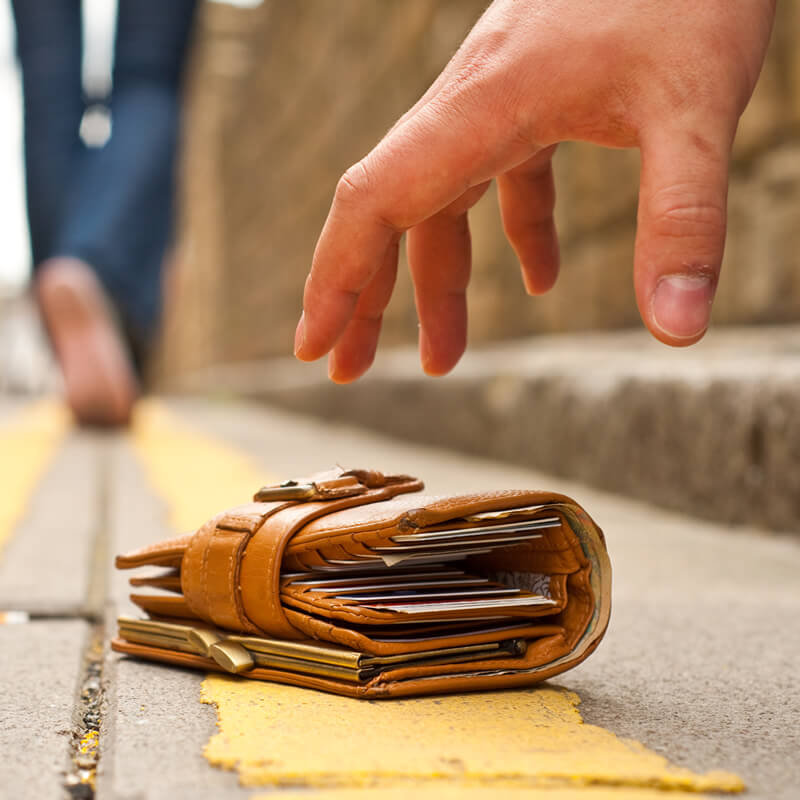
Many of us make the mistake of toting our Social Security card around with us. Yet that's a bad idea. The Social Security card isn't a driver's license. You don't need to display it very often, and if a thief swipes your purse of wallet, you've just given him the "golden ticket" of identity theft. Even more worrisome, today's thieves don't even need to steal the card -- a quick glance at the numbers or photograph gives them all the information they need.
Instead, lock your card in a safe or another secure location at home, and pull it out only when you need it.
If Your Number Has Been Compromised, Act Immediately
It seems like news of a large-scale data breach occurs on a weekly basis. And some of these breaches are truly massive, involving tens of millions of numbers. If you've been snared in this web of misery, it's vitally important to take steps to protect yourself -- people who have had their Social Security numbers exposed in a data breach are five times more likely to be a victim of identity fraud.
Requesting a copy of your credit report and signing up for monitoring is the best way to protect yourself. Many companies offer these services for free in the wake of a large data breach. You should take advantage of the offer -- and stay vigilant when it comes to checking for unexplained activity.
Keeping Your Number Safe
Your Social Security number is the key to your financial life -- it unlocks everything. Follow the advice above, and you'll increase your chances of staying untouched by identity theft.
Flagler is a not-for-profit financial cooperative whose mission is enriching people’s lives… members, employees, community. Unlike other financial institutions, credit union ‘profits’ are returned to the membership in the form of lower loan rates, higher dividend rates, and affordable services.